By Ella S., Account Manager
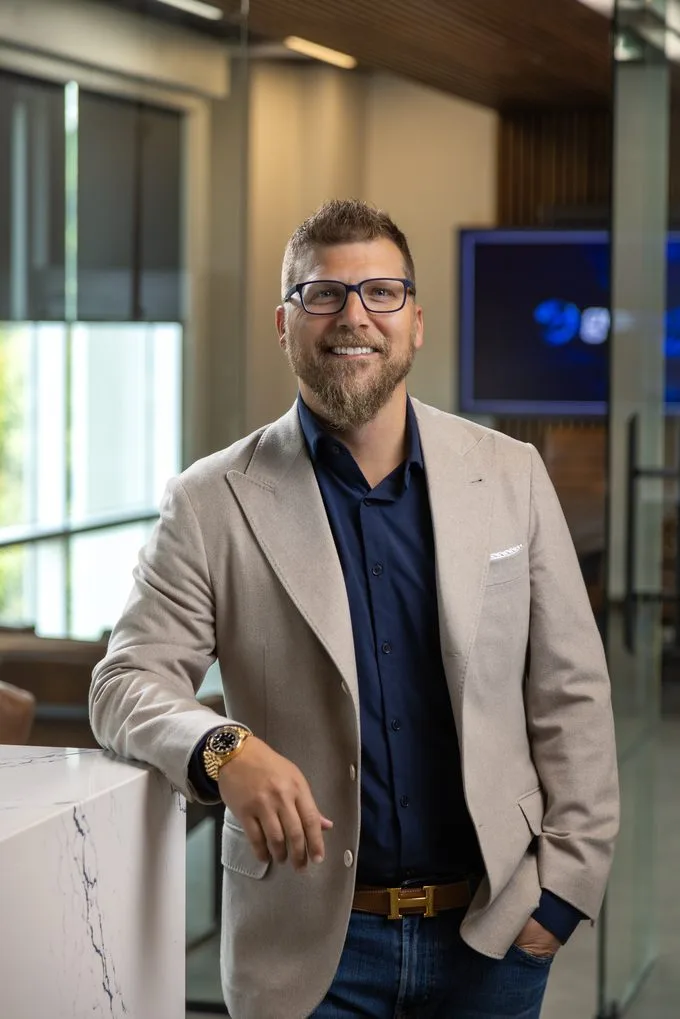
When GP practices offering orthodontic treatment see low conversion rates, the instinct is to look at marketing, patient education, or how treatment is being presented. Dr. Jason Gladwell usually looks somewhere else first: orthodontic financing, and how easy it is for a patient to afford the first payment and every one after it.
He points to a figure he has carried throughout his career. The average patient has roughly $300 of disposable income at any given time. The exact number moves with the economy and the market, but the principle holds. Most patients are not weighing the total treatment fee. They are asking whether treatment fits inside their monthly financial reality.
That changes what financing is for. Most practices treat it as an administrative step that follows a yes. In practice it is one of the biggest reasons the yes happens at all.
This article pulls together the lessons from Dr. Gladwell’s webinar on in-house versus third-party financing, written for GP practices that want to start more orthodontic cases.
Why is financing the biggest barrier to orthodontic case acceptance?
Most patients decide on orthodontic treatment by asking whether the monthly payment fits their budget. Fear of treatment and treatment length come a long way behind affordability.
Practices tend to think in treatment fees, while patients think in affordability. In Dr. Gladwell’s experience, the number one objection in a consult is rarely “will it hurt?” or “how long will it take?” It is whether the patient can manage the payments.
Adults feel this the most. Parents tend to find a way to pay for their children’s treatment in any economy, but adult patients pull back when everything else in their life gets more expensive. If treatment feels like a luxury, a large upfront payment gives them an easy reason to wait.
His view is that affordability is mostly perception. People find ways to pay for what they value, and flexible financing helps on both sides of that: the payment becomes manageable, and treatment stops feeling out of reach. How treatment is presented matters too. Patients say yes more readily when they understand it is not purely cosmetic, and that leaving a bite untreated has its own future costs in chips, cracks, fractures and worn teeth.
How much down payment should a GP practice ask for?
Dr. Gladwell’s orthodontic offices typically offer $0 to $500 down. Many GP offices ask for $1,000 or more, and that requirement costs them starts they never see.
In his offices, a down payment is not security and it is not there to recover the lab bill. Its only job is to show that the patient is committed to moving forward.
That leaves room to be flexible. For a family who has been with the practice for years and always paid on time, the team might lower the down payment, spread the payments over a few extra months, or push the down payment back to the next pay cycle or a tax refund. For a brand new patient, they would be more careful about offering zero down. GP practices have a real advantage here, because you often know a patient’s payment habits from years of hygiene and restorative visits.
Plenty of GP offices still want the full lab fee upfront, with some asking for $1,000 or even $2,000 down. Many of those offices insist they never lose a patient because of it. Dr. Gladwell’s answer is that if you believe that, you are not tracking it. Patients who can comfortably put $2,000 down are uncommon in every market, and the orthodontist down the street is almost certainly offering easier terms.
What does a flexible orthodontic payment plan look like?
Start with a monthly payment the patient is comfortable with, then set the down payment and the number of months to reach it. Terms usually match treatment length.
Here is the worked example Dr. Gladwell uses, with round-number assumptions:
- Treatment fee: $6,000
- Insurance benefit: $1,500 (typical ortho benefits run $1,500 to $2,500)
- Down payment: about $380
- Remaining balance: $4,120
- Financed over 18 months: $228.88 a month
The monthly figure is the one to anchor the conversation on. Every other number can move to reach a payment the patient is happy to say yes to. In orthodontic offices the term usually matches treatment length, so an 18-month case is paid over 18 months, and adding two or three months is fine if it gets the payment where it needs to be. Patients are still coming back for retainer checks, so they don’t disappear at the end of the plan.
The lab bill is less of a risk than it looks. Aligner lab terms are often 120 days from shipping, which is closer to 150 days after the patient signs. Between the down payment, the monthly payments and insurance, a practice running this model has usually collected more than the lab bill before it is due. The patient is also never handed every aligner on day one.
In-house orthodontic financing vs. third-party financing: which is better?
For most GP practices, in-house financing at 0% interest converts better than a third-party lender, and it avoids giving away 5 to 15% of every case fee.
In-house financing is the orthodontic model. The practice sets the terms, usually at 0% interest, with no lender in the middle and no credit application for the patient to fail. Dr. Gladwell’s practices run payments on automatic draft: the patient picks a draft date each month, the payment comes out of their bank account or card, and the payment service chases expired or declined cards before the team ever has to. Nobody is mailing statements. Over almost 20 years, he reports a collection rate above 98%.
Third-party financing through CareCredit, Sunbit and similar lenders pays the practice straight away, which is the main appeal. It costs 5 to 15% of the case fee, and it creates problems for conversion:
- Credit checks decline some patients, and a denial is an awkward conversation to have in the chair.
- Patients have to see the interest rate and terms before they sign, and many back away when they do.
- The “0% options” tend to come with a high down payment, a high monthly payment and little flexibility, which are the three things that kill a deal.
- A patient who takes the paperwork home to think it over often ends up in another office with easier terms.
Third-party credit still has a place for patients who already have a line of credit and like using it. In Dr. Gladwell’s offices that is around 1% of patients, so it works as a backup option rather than the default.
Can patients use HSA or FSA funds for orthodontic treatment?
Generally, yes. The IRS lists braces as a qualifying dental expense, so HSA and FSA funds can usually go toward orthodontic treatment. Patients should confirm the details with their plan.
IRS Publication 502 lists braces among the dental treatments that count as medical expenses. The practical problem is timing. A patient is ready to start, but they don’t know their balance and want a week to check.
Dr. Gladwell’s answer is to start the case anyway. Take a minimum down payment today, say $350 to $400, and show the patient what the plan looks like on those basic terms. There are usually four to six weeks between signing and aligner delivery. If they find more in their HSA or FSA during that window, they email the office and the team sends back a new breakdown. The patient starts the same day, and the financing catches up.
Who on the team influences orthodontic case acceptance?
Everyone who talks to the patient. In a GP office the hygienist often holds the most patient trust, so the whole team needs to understand both the treatment and the financing options.
Successful orthodontic programs are rarely driven by the doctor or treatment coordinator alone. A hygienist spotting an opportunity, a clinician explaining the options and a coordinator walking through the financing all shape the patient’s decision. Dr. Gladwell goes as far as saying the doctor may be the least important person in the room on some days, because of how much patients trust their hygienist.
When the team understands why treatment matters and how patients can pay for it, those conversations get more consistent. Our Front Desk Optimization course goes deeper on the fee and balance conversations that happen at the desk.
How do you know if your financing changes are improving case acceptance?
Track how many patients were shown a financial sheet and how many of them said yes. Change one thing at a time and give each change a full quarter.
Many GP offices compare scans to starts and call it a conversion rate, but that number mixes in patients who were never offered treatment. The number that matters is how many patients were presented with a fee and a financial option, and how many accepted. If you offered financials to 50 patients last month and 5 said yes, and then 25 of 50 said yes after you lowered the down payment, you know what the change did.
Change one variable at a time so you know what moved the number, and run it for a quarter. If it doesn’t work, you can switch back. As Dr. Gladwell puts it, your systems won’t break and nobody goes broke testing a more flexible plan for three months. For a wider look at where your practice stands, the GPS Practice Growth Scorecard takes a few minutes.
The Bottom Line
Many practices invest heavily in generating demand through marketing, education and awareness. Demand on its own doesn’t drive growth, though. Patients still need a clear, affordable way to say yes.
So ask yourself: if a patient decides today, how easy is it for them to start treatment?
Small changes to down payments, payment length or flexibility can have a measurable effect on conversion. Practices that test and track those changes are better placed to unlock growth that is already sitting in the chair. Financing, fee presentation and case acceptance are all covered in the GPS Premium curriculum.
Catching up?
You can watch the full webinar recording with Dr. Jason Gladwell right here to dive deeper into third-party financing, Dr. Gladwell’s HSA/FSA same-day start strategy, how to track whether your adjustments are actually working, and much more:
Orthodontic financing FAQs
What is orthodontic financing?
Orthodontic financing is how a patient pays for treatment over time instead of all at once, either through an in-house payment plan run by the practice or a loan from a third-party lender.
Do orthodontic payment plans charge interest?
In-house orthodontic payment plans are commonly offered at 0% interest, with terms matched to treatment length. Third-party lenders usually charge interest, and patients see that rate before they sign.
How long is a typical orthodontic payment plan?
Usually the length of treatment, so an 18-month case is paid over about 18 months. Some practices add a few months to bring the monthly payment down.
Can I use an HSA or FSA for braces or Invisalign?
Generally, yes. IRS Publication 502 lists braces as a qualifying dental expense. Coverage rules vary by plan, so patients should check with their plan administrator.
Should a GP practice offer CareCredit or other third-party financing?
As a backup, yes. As the main option, Dr. Gladwell recommends against it: lenders keep 5 to 15% of the case fee, some patients are declined, and the interest rates put others off.
How do you calculate orthodontic case acceptance?
Divide the number of patients who said yes by the number who were presented with a fee and a financial option. Comparing scans to starts does not give a true conversion rate.